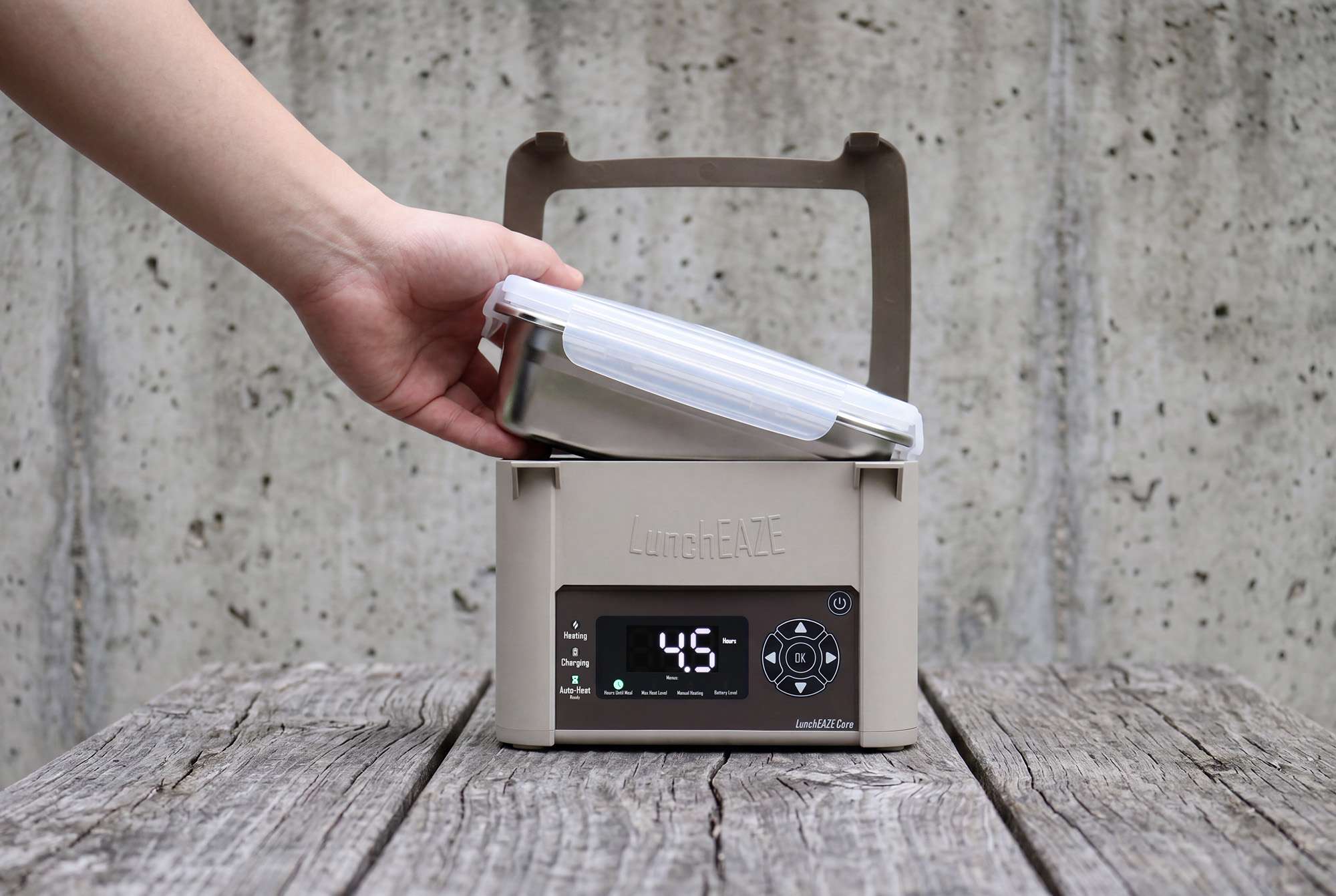
Meal prep advice is usually written for people with a fridge under their desk and a microwave down the hall. A 12-hour shift on a site, in a truck, or on a rig is a different sport. Your food leaves the house at 4:30 AM, lives in a bag all day, and has to be worth eating at hour six, when you actually need it. Most Sunday-prep plans fall apart right there.
This is the version that holds up.
Cook once, eat all week
One pot, one sheet pan, one big batch. A chili, a braise, a curry, a tray of chicken thighs over rice. Portion it into five containers while it’s still warm, straight into the freezer. Twenty minutes of actual work if the oven is doing the heavy lifting. The goal is a grab-and-go stack, because at 4:30 AM you will not assemble anything.
Freeze it. Seriously.
Freezing is the move that makes long shifts work, for three reasons. Frozen food is safe in a bag for far longer than refrigerated food. A frozen block acts as its own ice pack for whatever else you carry. And if your lunchbox heats on a schedule, frozen is a feature, not a chore: a LunchEAZE set for a noon break brings a frozen meal to full eating temperature by the time you sit down, no thawing the night before, no microwave anywhere in the plan. In July, the frozen meal is also the only version of itself that stays food-safe in a hot truck all morning.
What reheats well, and what never will
Some foods are built for the second heat. Braised meat gets better. Stews, chili, and curries hold together. Rice bowls, meatloaf, pulled pork, red-sauce pasta all come back convincingly. On the other side of the line: anything fried or breaded goes to mush, delicate fish turns to perfume, and cream sauces like to split. If Wednesday-you would not be happy to see it, Sunday-you should not cook it.
Portion for the work
An office lunch is two or three cups. Concrete, climbing, hauling, and twelve hours on your feet burn through that by mid-afternoon. Four cups is a realistic floor for physical work, and plenty of crew guys run the six-cup XL because one big hot meal at the break beats grazing on gas-station snacks all day. Add a piece of fruit and something salty and the afternoon takes care of itself.
Eat at a set time
The quiet failure of shift eating is skipping the meal, not packing the wrong one. A break that floats gets skipped. Pick the time, set the lunchbox for it, and treat it like part of the job. Fed crews pour better, drive better, and climb better. That is not a slogan, it is Tuesday afternoon.
If cold lunches have been your default, start with two prepped days a week and let the results argue for the rest. The gear that makes it automatic is on the shop page, and the field record is on Built for the Trades.